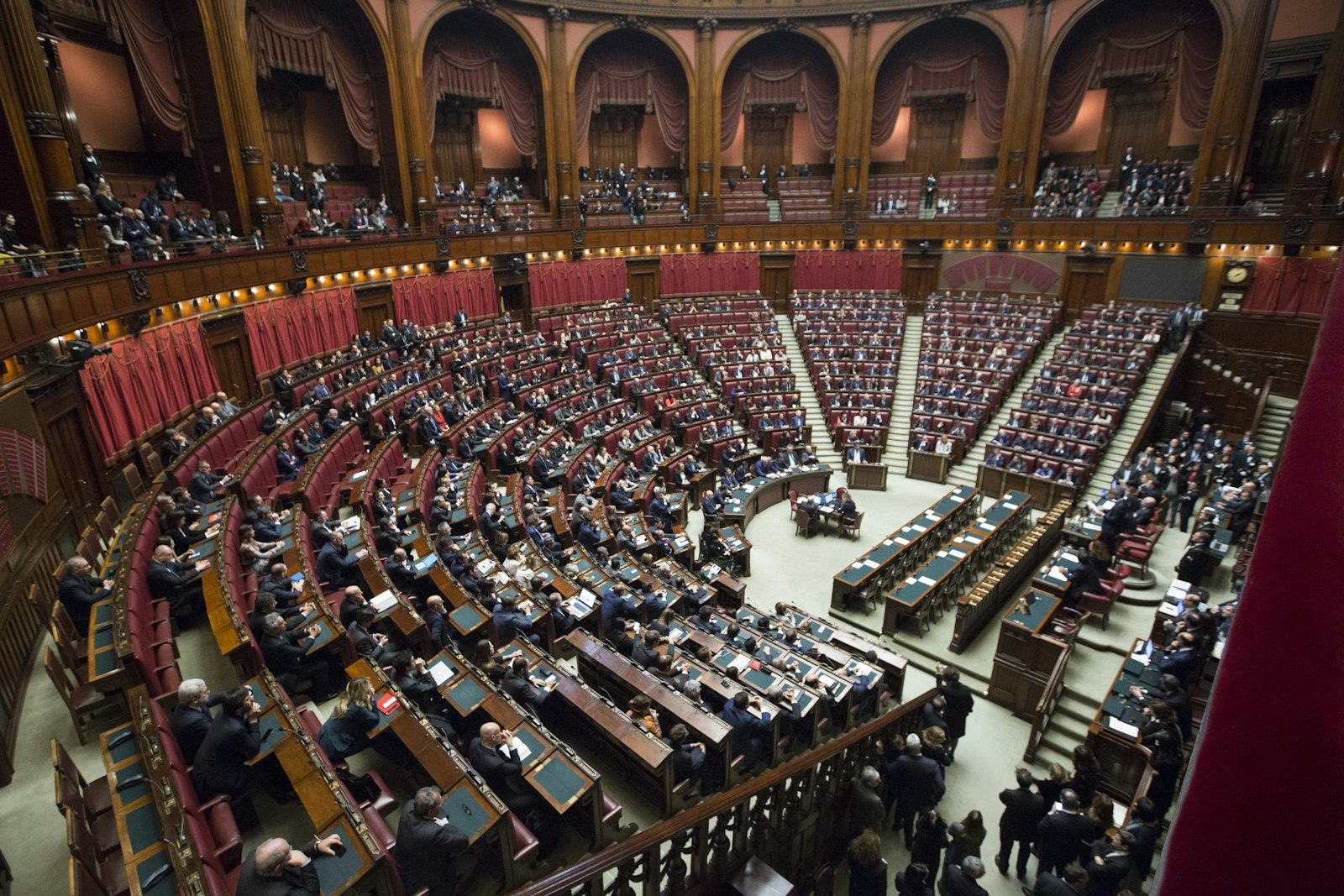
Political realignment occurs when politicians, political parties or interest groups change their alliances, priorities or strategies. These changes may happen before elections, during legislative negotiations or when disagreements emerge within political organisations.
In Nigeria, political realignments can attract considerable public attention because they may influence party structures, candidate selection, legislative cooperation and electoral competition.
However, a change in political association does not automatically indicate a change in public policy. Voters need to examine the reasons behind an alliance and the practical consequences it may have.
Why Politicians Change Political Alliances.
Political alliances can change for several reasons. Politicians may disagree with party leadership, seek broader electoral support, respond to changing voter preferences or pursue different approaches to governance.
In some cases, alliances are formed to build coalitions around shared policy goals. In others, they may be driven primarily by electoral calculations or competition for political influence.
Understanding these motivations requires careful attention to public statements, party documents, legislative actions and the wider political environment.
Internal Party Disputes and Democratic Institutions.
Disagreements within political parties are not unusual in competitive democracies. Disputes may concern leadership positions, candidate nominations, disciplinary decisions or disagreements over political strategy.
The way these conflicts are managed matters. Clear party rules, transparent disciplinary procedures and opportunities for members to challenge decisions can help prevent disputes from undermining organisational stability.
Where disagreements lead to legal proceedings, suspensions or competing claims to leadership, the relevant party rules and applicable legal decisions should be examined before drawing conclusions.
How Political Realignments Affect Voters.
Political changes can influence the range of choices available to voters and alter the balance of power among competing parties. They can also affect campaign priorities and the ability of elected officials to build legislative coalitions.
For citizens, the most useful question is whether political changes lead to better representation, stronger public services and greater accountability.
Voters can assess this by examining candidates' policy proposals, previous performance, legislative records and responses to community concerns rather than relying exclusively on party labels or political endorsements.
The Importance of Accountability During Election Cycles.
As elections approach, political statements and alliances often receive increased public attention. Political communication can help citizens understand competing positions, but unsupported allegations and misleading claims can also distort public debate.
Journalists, civil society organisations and voters can encourage accountability by checking claims against reliable evidence and distinguishing opinion from verified fact.
Public officials should also be evaluated against measurable commitments, including their positions on employment, education, healthcare, infrastructure and public finance.
Building a More Informed Political Culture.
A healthy democratic culture requires informed participation, respect for lawful processes and the ability to scrutinise political leaders without relying on rumours.
Political realignments are part of the wider democratic process, but their value should ultimately be assessed through their consequences for governance and the public interest.
Citizens who understand party structures, constitutional processes and policy debates are better equipped to evaluate political developments and make informed electoral decisions.